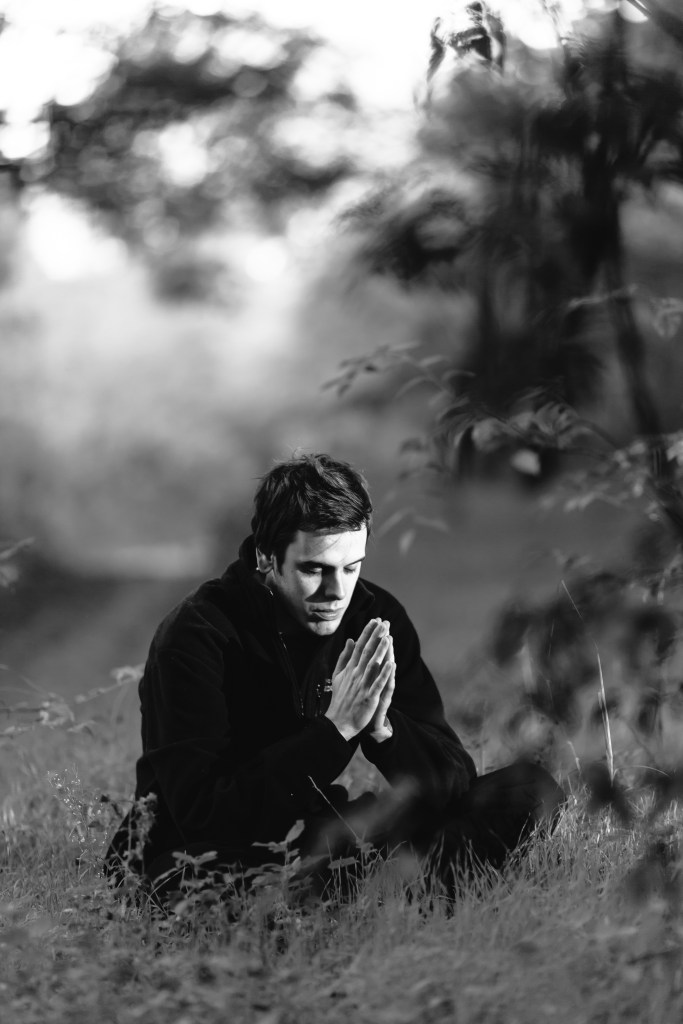
My father often tells me that being a rabbi requires a bit of improvisation called “sacred theater.” Clergy-members are often called upon to create meaningful interactions with their faithful amidst certain circumstances and sometimes there isn’t a liturgical or customary outlet to provide people with what they truly need.
Prayer, in my experience, is often a perfect time to express the needs of your patients in the form of petition, but also a way to validate their worries, fears and concerns. For example, if a patient tells me that they are finding the experience of hospitalization particularly lonely, and are missing their favorite pet, I will often use extemporaneous prayer to validate them. “Gracious G-d, Patient X is feeling lonely and needs to feel your presence and the presence of love and support from those they come into contact with. The love and presence they desire is similar to the love Patient X feels when bonding with their pet ‘X’. In this moment of loneliness we are seeking your everlasting warmth and presence as well…etc.” This is sacred theater, making meaning and validation in sacred space with the comforts of the mundane.
That said, I’ve often wondered if I misuse sacred theater as a means of quieting my own imposter syndrome and representative authenticity as well. As chaplains, we are often called upon to pray on behalf of others. While this is a most sacred honor, I must admit that I rarely feel worthy of it. I have often felt only the most righteous of clerics and teachers encompass the right character traits and religious fortitude to pray on behalf of others. Who am I to beseech the heavens on someone else’s behalf?
“Prayer must never be a citadel for selfish concerns but rather a place for deepening concerns over other people’s plight.”
Abraham Joshua Heschel
Over the past several weeks, I have taken a keen interest in works of contemporary Jewish philosophers like Abraham Joshua Heschel, Eliezer Berkovitz, and the late Jonathan Sacks. It wasn’t until availing myself of the works of these thinkers that I truly understood what prayer actually means.
Prayer is both a secluded and communal act. One that fortifies our place within The Infinite.
The purpose of prayer is not to get what we want, per se, but to join our voice with the collective voice of the community in reaccepting the values, ethics, hopes and dreams of The Infinite…and us within The Infinite.
When I pray with a patient, I’m attaching myself to the silent meditations of that patient’s heart and of all those that know them and love them. This happens not because I am somehow better or more worthy because of my sacred occupation but because their collective wellbeing is also my wellbeing and their healing is mine as well. My prayer is an extension of theirs within The Infinite.
As we move forward on this journey of life, let us always remember the precious gift of our voice. In public or private we have the opportunity to meditate and advocate, demonstrate and alleviate, heal and be healed. We have tremendous power and inherent authenticity, as long as we are willing to include our entire selves, singular and communal, within The Infinite.
 Benyamin Vineburg
Leave a comment